In today’s fast-paced business landscape, effective workforce management is more crucial than ever. Enter rostering—a strategic approach that goes beyond simply scheduling shifts. Unlocking the power of rostering means optimizing your team’s availability, enhancing productivity, and ensuring that the right people are in the right place at the right time. With a well-crafted roster, organizations can not only streamline operations but also foster a more engaged and satisfied workforce. This transformative tool not only helps in managing labour costs but also boosts morale by aligning employee preferences with organizational needs. Whether you’re overseeing a small team or managing a large-scale operation, understanding the intricacies of rostering can lead to significant efficiencies and improvements in overall performance. Dive in as we explore what rostering truly means and how it can redefine your approach to workforce management, paving the way for a more productive and harmonious work environment.
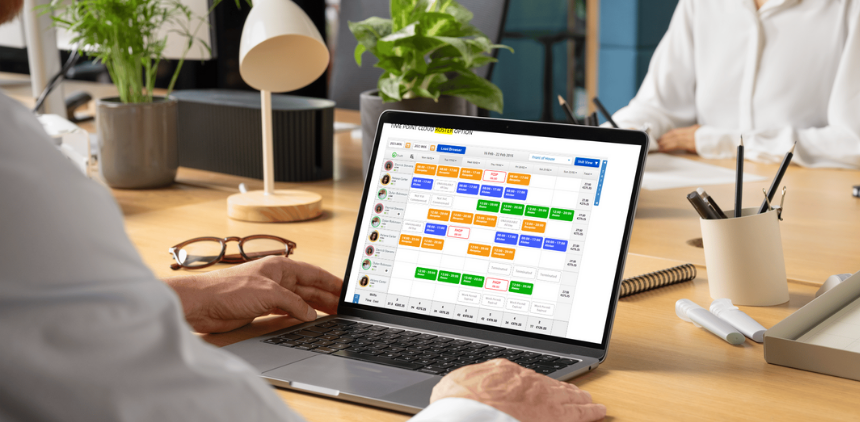
Modern workforce management platforms like Time Point Software are redefining how businesses approach rostering and scheduling. By automating complex shift planning, forecasting staffing needs, and aligning schedules with employee preferences, these solutions empower managers to make data-driven decisions that boost productivity and morale.
Understanding Rostering: Definition and Importance
Rostering, at its core, is the process of planning and assigning work shifts to employees. It goes beyond the simple scheduling of hours and encompasses a strategic approach that aims to align workforce availability with the demands of the business. By effectively managing when and where employees work, organizations can ensure that they always have the right number of staff with the appropriate skills available. This not only helps in maintaining smooth operations but also plays a critical role in meeting customer expectations and achieving business goals.
The importance of rostering cannot be overstated. A well-organized roster ensures that peak times are adequately staffed, thereby preventing overwork and burnout among employees. It also helps in reducing labour costs by minimising instances of overstaffing or understaffing. In industries such as healthcare, hospitality, retail, construction, logistic and manufacturing, where demand can fluctuate significantly, effective rostering is essential for maintaining service levels and operational efficiency. Furthermore, rostering allows for better adherence to labour laws and regulations, ensuring that employees receive their entitled breaks and rest periods.
Beyond operational efficiency, rostering also plays a significant role in enhancing employee satisfaction. When employees feel that their work schedules are fair and considerate of their personal lives, it can lead to increased job satisfaction and loyalty. A thoughtful rostering approach that takes into account employee preferences, availability, and skillsets can foster a more motivated and engaged workforce. This, in turn, can lead to lower turnover rates and higher levels of productivity, creating a positive cycle of improvement for the organization.
With intelligent rostering software such as Time Point solution organisations can simplify scheduling complexities by automatically matching employee availability, skill sets, and compliance rules with business requirements. This not only saves time but ensures optimal workforce utilisation and happier teams.
The Role of Rostering in Workforce Management
Workforce management is a broad discipline that encompasses various aspects of managing and optimising a workforce. Rostering is a fundamental component of this discipline, serving as the foundation upon which other workforce management practices are built. It involves not only scheduling shifts but also forecasting demand, managing labour costs, and ensuring compliance with labour laws. By aligning workforce availability with business needs, rostering helps organizations achieve their operational objectives more effectively.
One of the primary roles of rostering in workforce management is to ensure that the right number of employees with the appropriate skills are available at the right times. This is particularly important in industries with variable demand, such as retail and hospitality, where customer traffic can fluctuate throughout the day. By accurately forecasting demand and planning shifts accordingly, organisations can avoid both understaffing and overstaffing, leading to more efficient use of resources and improved customer service.
Rostering also plays a crucial role in managing labour costs. Labour is often one of the largest expenses for organizations, and effective rostering can help control these costs by optimising the use of available staff. For example, by scheduling part-time employees during peak hours and full-time employees during quieter periods, organisations can reduce labour costs while still meeting demand. Additionally, rostering helps ensure compliance with labour laws and regulations, such as those related to working hours, rest periods, and overtime. This not only helps avoid legal issues but also promotes a healthier work-life balance for employees.
Implementing a smart scheduling solution bridges the gap between workforce planning and real-time business operations. Tools like Time Point solution allow managers to forecast demand, manage shift swaps, and instantly adapt to changing priorities—all within one centralised platform.
Key Benefits of Effective Rostering
Effective rostering offers a multitude of benefits that can significantly impact the overall performance and success of an organisation. One of the most notable benefits is improved operational efficiency. By ensuring that the right number of employees with the appropriate skills are scheduled to work at the right times, organizations can optimize their workforce and achieve greater productivity. This leads to smoother operations, better customer service, and ultimately, higher levels of customer satisfaction.
Another key benefit of effective rostering is enhanced employee satisfaction and engagement. When employees feel that their work schedules are fair and take into account their personal preferences and availability, they are more likely to be satisfied with their jobs. This can lead to increased morale, reduced absenteeism, and lower turnover rates. A well-crafted roster that provides employees with a good work-life balance can also contribute to their overall well-being, making them more motivated and engaged in their work.
Effective rostering also plays a crucial role in controlling labour costs. By accurately forecasting demand and scheduling shifts accordingly, organisations can avoid overstaffing and understaffing, which can lead to unnecessary labour costs and lost productivity. Additionally, by ensuring compliance with labour laws and regulations, organizations can avoid costly legal issues and penalties. A well-optimised roster can also help reduce overtime costs by ensuring that employees are scheduled to work within their contracted hours, further contributing to cost savings.
Common Challenges in Rostering and How to Overcome Them
Despite its many benefits, rostering is not without its challenges. One of the most common challenges is accurately forecasting demand. In industries with variable demand, such as retail and hospitality, predicting customer traffic and staffing needs can be difficult. This can lead to overstaffing or understaffing, both of which can have negative impacts on operational efficiency and customer service. To overcome this challenge, organizations can use data analytics and forecasting tools to better predict demand and plan shifts accordingly.
Another common challenge in rostering is managing employee availability and preferences. Employees have different needs and preferences when it comes to their work schedules and accommodating these preferences while still meeting business needs can be difficult. To address this challenge, organisations can use rostering software that allows employees to input their availability and preferences, making it easier to create schedules that work for both the business and the employees. Additionally, clear communication and flexibility can help ensure that employees feel valued and respected, leading to higher levels of satisfaction and engagement.
Compliance with labour laws and regulations is another challenge that organisations face when it comes to rostering. Ensuring that employees receive their entitled breaks, rest periods, and overtime pay can be complex, particularly in industries with variable demand and irregular working hours. To overcome this challenge, organizations can use rostering software that includes compliance features, such as alerts and notifications, to help ensure that schedules are compliant with labour laws and regulations. Regular training and education for managers and supervisors can also help ensure that they are aware of and adhere to labour laws and regulations.
Technology in Rostering: Tools and Software Solutions
Technology has revolutionized the way organizations approach rostering, offering a wide range of tools and software solutions that can streamline the process and enhance its effectiveness. One of the most significant advancements in rostering technology is the development of automated rostering software. These tools use algorithms and data analytics to create optimized schedules that take into account factors such as employee availability, skills, and preferences, as well as business needs and demand forecasts.
Automated rostering software offers several benefits over traditional manual rostering methods. For one, it can significantly reduce the time and effort required to create schedules, freeing up managers to focus on other important tasks. Additionally, these tools can help ensure that schedules are fair and compliant with labour laws and regulations, reducing the risk of legal issues and penalties. Automated rostering software can also improve accuracy and reduce errors, leading to more efficient and effective workforce management.
Another key benefit of technology in rostering is the ability to integrate with other workforce management systems. Many rostering tools can be integrated with payroll, time and attendance, and HR systems, providing a seamless flow of information and reducing the need for manual data entry. This integration can help ensure that employees are paid accurately and on time, reduce administrative overhead, and provide valuable insights into workforce performance and productivity. Overall, the use of technology in rostering can help organisations achieve greater efficiency, accuracy, and compliance, leading to improved operational performance and employee satisfaction.
Today’s advanced rostering systems go far beyond static timetables. With cloud-based scheduling tools such as Time Point solution, organizations can automate shift creation, receive compliance alerts, and access insights into labour efficiency. These technologies help businesses stay agile, compliant, and employee focused.
Best Practices for Creating an Effective Roster
Creating an effective roster requires careful planning and consideration of various factors. One of the best practices for creating an effective roster is to involve employees in the process. By allowing employees to input their availability and preferences, organizations can create schedules that are fair and considerate of their needs. This can lead to higher levels of satisfaction and engagement, as employees feel valued and respected.
Another best practice is to use data and analytics to inform the rostering process. By analysing historical data on demand patterns, employee performance, and other relevant factors, organizations can make more informed decisions about staffing levels and shift schedules. This can help ensure that the right number of employees with the appropriate skills are scheduled to work at the right times, leading to greater operational efficiency and customer satisfaction.
It is also important to regularly review and adjust the roster as needed. Business needs and employee availability can change over time, and a static roster may not be effective in meeting these changing needs. By regularly reviewing and adjusting the roster, organisations can ensure that it remains aligned with business goals and employee preferences. Additionally, clear communication with employees about any changes to the roster can help ensure that they are informed and prepared, reducing the risk of confusion and dissatisfaction.
Leveraging digital rostering tools also supports these best practices by providing real-time visibility into staff coverage and workload distribution. For example, Time Point system enables managers to quickly adjust schedules, monitor attendance, and ensure transparency—keeping both employees and operations aligned.
The Impact of Rostering on Employee Satisfaction and Retention
Employee satisfaction and retention are critical factors in the success of any organisation, and effective rostering can play a significant role in enhancing both. When employees feel that their work schedules are fair and considerate of their personal lives, they are more likely to be satisfied with their jobs. This satisfaction can lead to higher levels of engagement, motivation, and productivity, creating a positive cycle of improvement for the organization.
One of the keyways that effective rostering can enhance employee satisfaction is by providing a good work-life balance. When employees have input into their schedules and feel that their preferences and availability are taken into account, they are more likely to feel valued and respected. This can lead to higher levels of job satisfaction and loyalty, reducing the risk of turnover and absenteeism. Additionally, a good work-life balance can contribute to employees’ overall well-being, making them more motivated and engaged in their work.
Effective rostering can also help reduce burnout and stress among employees. By ensuring that employees have adequate rest periods and are not overworked, organisations can promote a healthier and more sustainable work environment. This can lead to lower levels of burnout and stress, which can have positive impacts on employee health and well-being. When employees feel that their work schedules are manageable and that they have time for rest and recovery, they are more likely to be satisfied with their jobs and stay with the organization for the long term.
Case Studies: Successful Rostering Strategies in Various Industries
To illustrate the impact of effective rostering, let’s explore some real-world examples of successful rostering strategies in various industries. In the healthcare industry, for example, effective rostering is critical for ensuring that patients receive the care they need. One hospital implemented an automated rostering system that used data analytics to forecast demand and create optimised schedules. This system helped reduce understaffing and overstaffing, leading to improved patient care and higher levels of employee satisfaction. The hospital also saw a reduction in labour costs and an increase in overall efficiency.
In the retail industry, a major retailer faced challenges with fluctuating customer traffic and variable staffing needs. By implementing a rostering software solution that allowed employees to input their availability and preferences, the retailer was able to create schedules that were more aligned with both business needs and employee preferences. This led to higher levels of employee satisfaction and engagement, as well as improved customer service. The retailer also saw a reduction in turnover rates and an increase in sales and productivity.
In the hospitality industry, a hotel chain implemented a rostering system that integrated with its time and attendance and payroll systems. This integration allowed the hotel to accurately track employee hours and ensure compliance with labour laws and regulations. The system also provided valuable insights into workforce performance, allowing the hotel to make more informed decisions about staffing levels and shift schedules. As a result, the hotel saw an improvement in operational efficiency, a reduction in labour costs, and higher levels of employee satisfaction and retention.
Future Trends in Rostering and Workforce Management
As technology continues to evolve, so too will the field of rostering and workforce management. One of the key trends shaping the future of rostering is the increasing use of artificial intelligence (AI) and machine learning. These technologies have the potential to revolutionize the way organizations approach rostering, offering more accurate demand forecasting, optimized scheduling, and real-time adjustments. AI-powered rostering systems can analyse vast amounts of data to predict demand patterns, employee performance, and other relevant factors, resulting in more efficient and effective schedules.
Another trend to watch is the growing emphasis on employee-centric rostering. As organisations recognise the importance of employee satisfaction and engagement, there will be a greater focus on creating schedules that are fair and considerate of employee preferences and availability. This may involve more flexible scheduling options, such as self-scheduling or shift swapping, as well as greater transparency and communication around the rostering process. Employee-centric rostering can lead to higher levels of satisfaction, retention, and productivity, creating a positive cycle of improvement for the organization.
The integration of rostering with other workforce management systems will also continue to be a key trend. By integrating rostering with payroll, time and attendance, and HR systems, organizations can create a seamless flow of information and reduce the need for manual data entry. This integration can help ensure that employees are paid accurately and on time, reduce administrative overhead, and provide valuable insights into workforce performance and productivity. As organisations seek to optimise their workforce management practices, the integration of rostering with other systems will be critical for achieving greater efficiency, accuracy, and compliance.
Conclusion: Embracing Rostering for Business Success
In conclusion, rostering is a powerful tool that can significantly enhance workforce management and contribute to the overall success of an organisation. By effectively planning and assigning work shifts, organisations can optimise their workforce, improve operational efficiency, and enhance employee satisfaction and engagement. Effective rostering can also help control labour costs, ensure compliance with labour laws and regulations, and provide valuable insights into workforce performance and productivity.
While rostering is not without its challenges, the use of technology and best practices can help organisations overcome these challenges and create more effective and efficient schedules. Automated rostering software, data analytics, and integration with other workforce management systems are just some of the tools and solutions that can streamline the rostering process and enhance its effectiveness. By involving employees in the process and regularly reviewing and adjusting the roster, organisations can create schedules that are fair and considerate of employee preferences and availability.
As the field of rostering and workforce management continues to evolve, organisations that embrace these advancements and prioritize employee satisfaction and engagement will be better positioned for success. By unlocking the power of rostering, organisations can not only streamline operations and control costs but also foster a more engaged, satisfied, and productive workforce. Ultimately, effective rostering can pave the way for a more harmonious and successful work environment, driving business success and creating a positive impact for both employees and the organisation.
Investing in a modern rostering and scheduling platform like Time Point solution can be the key to transforming workforce management. It empowers organisations to reduce administrative burdens, optimize labour costs, and foster a culture of flexibility and trust. The result is not just better scheduling—but a smarter, more connected workplace.