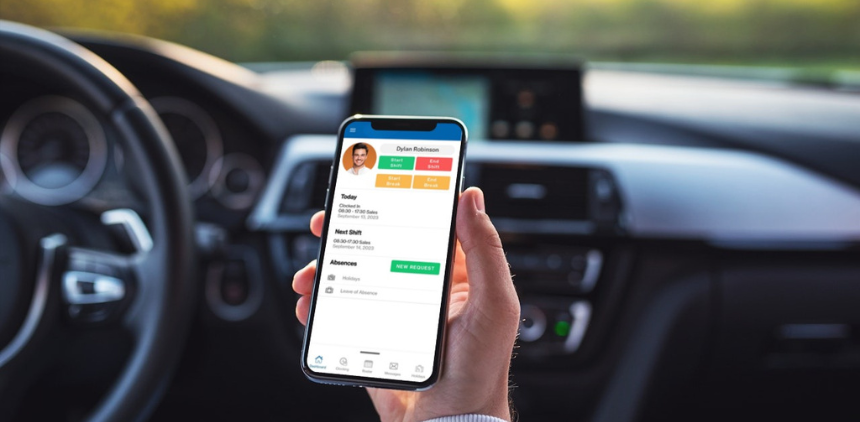
Digital transformation isn’t just about new technology — it’s about empowering people. Enter the Employee Self-Service App—an agile solution that empowers staff by giving them direct access to essential resources and information. By turning routine administrative tasks into user-friendly digital experiences, these apps streamline operations, reduce bottlenecks, and promote accountability.
Imagine a world where employees can effortlessly manage their schedules, request time off, and access important company policies—all at their fingertips. With advanced solutions like the Time Point Employee Self Service Module, this vision becomes a reality. The app enables employees to instantly view rosters, check leave balances, and even clock in and out using GPS tracking—reducing manual admin work and empowering teams to stay connected and informed.
This transformation not only saves valuable time but also fosters a culture of independence and engagement. As teams become more empowered to take control of their own work lives, productivity soars, and the organization thrives. Discover how implementing an Employee Self Service App can revolutionize your workplace dynamics and drive sustained efficiency in achieving business goals.
The Evolution of Workplace Productivity Tools
Over the decades, workplace productivity tools have undergone significant transformations. Initially, the tools were basic, focusing mainly on timekeeping and simple task management. Early productivity tools included punch clocks and basic paper-based systems that helped in tracking attendance and organizing tasks. Although rudimentary, these tools laid the groundwork for more advanced solutions.
As technology advanced, the introduction of computers and specialized software marked a significant leap in workplace productivity tools. The 1980s and 1990s saw the rise of computer-based systems that could handle more complex tasks, such as project management, payroll processing, and employee record-keeping.
In the 21st century, the digital revolution has brought about an unprecedented shift in workplace productivity tools. Modern platforms, such as Time Point Ireland’s Employee Self Service Module, have moved far beyond simple data storage. They provide real-time access to rosters, automated leave approvals, instant communication tools, and accurate time and attendance tracking through mobile devices. By integrating features like GPS clocking and geofenced attendance validation, they ensure transparency, efficiency, and accountability at every level.
Key Features of Employee Self-Service Apps
Employee self-service apps are designed with a variety of features aimed at simplifying and enhancing the work experience. One of the most notable features is the ability to manage personal information. Employees can update their contact details, emergency contacts, and other personal data without needing to go through HR.
Another critical feature of these apps is time and attendance management. With the Time Point Mobile App, employees can instantly clock in and out via their phones, record breaks, and submit absence notifications. GPS clocking and attendance alerts ensure managers always have accurate, real-time data—helping prevent missed shifts or double bookings.
The app also allows for instant roster and shift access, where employees receive updated schedules automatically. They can request shift swaps, apply for leave, and view personal balances instantly, while managers approve requests in seconds. This automation not only streamlines HR and managerial processes but also keeps teams fully informed and connected.
Additionally, self-service modules like Time Point’s enable digital onboarding—new employees can receive, read, and digitally sign documents within the app, ensuring a seamless start-to-work process.
Benefits of Implementing Employee Self-Service Apps
The implementation of employee self-service apps offers numerous benefits that extend across the organization. One of the most immediate advantages is the reduction of administrative workload. By automating routine tasks such as updating personal information, managing leave requests, and accessing company documents, these apps free up HR and administrative staff to focus on more strategic initiatives.
Solutions like the Time Point Employee Self Service Module eliminate redundant manual processes. For example, shift rosters are automatically sent to employees, and any approved leave automatically updates rosters and holiday balances. This synchronization prevents scheduling conflicts and improves operational efficiency.
Another significant benefit is the improvement in data accuracy and consistency. When employees use mobile tools to manage their own attendance and timesheets, the system instantly captures accurate information—creating payroll-ready timesheets and reducing the risk of errors.
How Self-Service Apps Enhance Employee Engagement
Employee engagement is a critical factor in determining organizational success, and self-service apps play a pivotal role in enhancing this engagement. When employees have control over their schedules, leave requests, and personal details, they feel trusted and empowered.
The Time Point Self Service App reinforces this autonomy by offering employees real-time visibility over their work-life balance. They can see who is on leave, avoid double booking, and communicate directly with managers regarding shifts or absences. This transparency strengthens communication and collaboration across the team.
By simplifying routine tasks and making important information easily accessible, self-service apps contribute to a smoother, more engaging employee experience—driving morale and productivity.
The Role of Self-Service Apps in Streamlining HR Processes
Human Resources departments are often burdened with repetitive administrative tasks. Employee self-service modules automate much of this workload. Using systems like Time Point’s Time and Attendance App, HR can instantly access attendance data, monitor absences, and approve or reject requests from one central dashboard.
Onboarding also becomes far simpler. New hires can receive key documents, sign contracts digitally, and confirm policy acceptance—all through the app. This not only speeds up the process but ensures that compliance and documentation are maintained securely in one place.
Case Studies: Successful Implementations of Self-Service Apps
Numerous organizations have successfully implemented employee self-service apps, reaping significant benefits in terms of productivity and employee satisfaction. A large retail chain, for instance, used a mobile platform to manage rosters, leave, and shift swaps, cutting administrative time in half.
Another organization in the healthcare sector implemented digital onboarding and attendance tracking. GPS-based clock-ins ensured compliance, while instant communication improved response times for shift coverage.
In every case, the results were consistent: fewer admin errors, higher employee satisfaction, and improved workforce visibility.
Challenges and Considerations When Adopting Self-Service Apps
While the benefits are significant, organizations must be aware of challenges such as data security and integration. The Time Point Employee Self Service Module addresses these by offering GDPR-compliant data protection and seamless integration with payroll and HR systems.
Training and change management are equally important. Ensuring that staff understand how to use the app—clocking in, sending absence notifications, or signing documents—is vital for adoption success.
Future Trends in Employee Self-Service Technology
The future of employee self-service is driven by automation, AI, and mobility. Modern systems are becoming smarter—predicting workforce needs, analysing attendance trends, and offering proactive insights.
As mobile-first platforms like Time Point’s continue to evolve, expect enhanced collaboration features, real-time communication tools, and even more seamless integration with payroll and performance management systems.
Conclusion: The Impact of Self-Service Apps on Workplace Productivity
In conclusion, the adoption of employee self-service apps represents a transformative shift in how organisations manage their workforce. These tools empower employees, reduce HR workload, and improve data accuracy and transparency.
The Time Point Employee Self Service Module goes a step further—combining mobile access, GPS clocking, automated rostering, real-time absence tracking, and digital onboarding into one seamless solution.
As organisations continue to embrace digital transformation, Time Point’s technology provides the foundation for an empowered, engaged, and productive workforce—ready to meet the challenges of modern business.