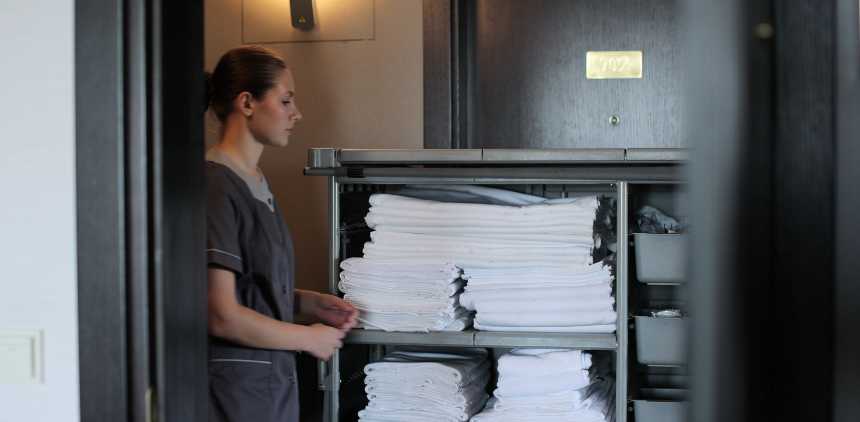
In the hotels industry — workforce management plays a pivotal role in delivering excellent guest experiences while controlling costs. Hotels operate 24/7, with multiple departments such as reception, housekeeping, food & beverage, and facilities management requiring different staffing rhythms. Daily staffing fluctuations, unexpected shifts in occupancy, and compliance pressures make workforce visibility essential for efficient operations.
Relying on manual attendance tracking or siloed systems can lead to scheduling gaps, payroll errors, and increased administrative burden. Modern hotels are increasingly adopting real‑time attendance tracking and workforce analytics to address these challenges and gain operational insights that support better decision‑making.
Core Challenges in the Hotel Workforce
Hotel workforce management faces several unique challenges:
- Variable occupancy patterns influencing staffing demand
- Multi‑department staffing requirements (front desk, cleaning, F&B)
- Last‑minute shift changes or unexpected leave
- Compliance with working time rules, breaks, and overtime
- Seasonal demand spikes and event‑driven staffing needs
In this environment, visibility into real‑time attendance data allows managers to better align staff with guest needs, improve employee utilisation, and avoid costly labour inefficiencies.
1. Optimise Scheduling with Real‑Time Visibility
Real‑time attendance data enables hotel managers to instantly see who is on duty, who is available, and where additional support is needed — even across multiple departments or floors. Traditional methods like pen‑and‑paper or delayed timesheet uploads lag behind the reality of operations, leading to reactive (not proactive) staffing decisions.
2. Improve Payroll Accuracy and Compliance
Hotels often deal with a mix of full‑time, part‑time, and casual workers — each with different pay rules, overtime thresholds, and compliance obligations. Errors in attendance capture can quickly translate into payroll disputes or compliance issues.
Real‑time attendance tracking ensures that hours worked are recorded accurately and consistently, reducing the need for manual corrections and reconciliation. By combining this data with analytics tools, HR teams can spot irregular patterns before they affect payroll, and Time Point’s analytics features can help verify attendance data against scheduled shifts for clearer payroll reporting.
3. Gain Workforce Insights Across Departments
Hotels often have departments with very different operational rhythms — from the constant activity at reception to the daily cycle of housekeeping to the peaks and troughs of food & beverage service. Consolidating attendance data across departments into unified analytics dashboards gives hotel managers a single source of truth.
Workforce analytics can help identify:
- recurring staffing gaps at specific times
- patterns in absenteeism or shift swaps
- correlations between occupancy rates and labour utilisation
Time Point’s hotel analytics tools allow organisations to visualise these trends and understand how workforce behaviour affects operational performance and guest satisfaction. Read more here
Operational Benefits Beyond Time Tracking
- Reduced Administrative Load
Manual attendance reconciliation, timesheet corrections, and spreadsheet management consume significant time. Real‑time systems automate much of this work, freeing HR and operations teams to focus on strategic priorities.
- Enhanced Guest Experience
Proper staffing levels — based on data, not guesswork — ensure that guest needs are met promptly, from check‑in to housekeeping requests. Analytics help fine‑tune staffing for key touchpoints in the guest journey.
- Better Employee Engagement
Tools that allow employees to view schedules, manage shift swaps, and access their own attendance records contribute to transparency and satisfaction, particularly in sectors with rotating schedules and hourly work.
Why Real‑Time Attendance Matters for Irish Hotels
Hotel operations in Ireland face similar workforce pressures to global peers: fluctuating occupancy driven by tourism, events, and seasonal demand; rising labour costs; and tight payroll margins. In these conditions, operational clarity makes a measurable difference in service quality and bottom‑line performance.
Access to accurate, real‑time workforce data helps hotel managers:
- adjust staffing quickly to meet occupancy changes
- identify inefficiencies in labour utilisation
- reduce errors in attendance records
- improve compliance with working time regulations
This level of insight supports both tactical decisions (daily staffing) and strategic planning (labour forecasting, cost control).
Conclusion
Manual workforce tracking methods are increasingly inadequate in the fast‑paced world of hotel operations. Hotels that leverage real‑time attendance and workforce analytics benefit from:
- more accurate and responsive scheduling
- smoother payroll processing and compliance
- enhanced visibility across teams and departments
- improved operational decision‑making based on data
With real‑time workforce insights, hotel leaders can elevate both employee satisfaction and guest experience — a competitive advantage in today’s hospitality landscape.